Dome Sweet Dome: The Baking Science That Gives Muffins Their Crown
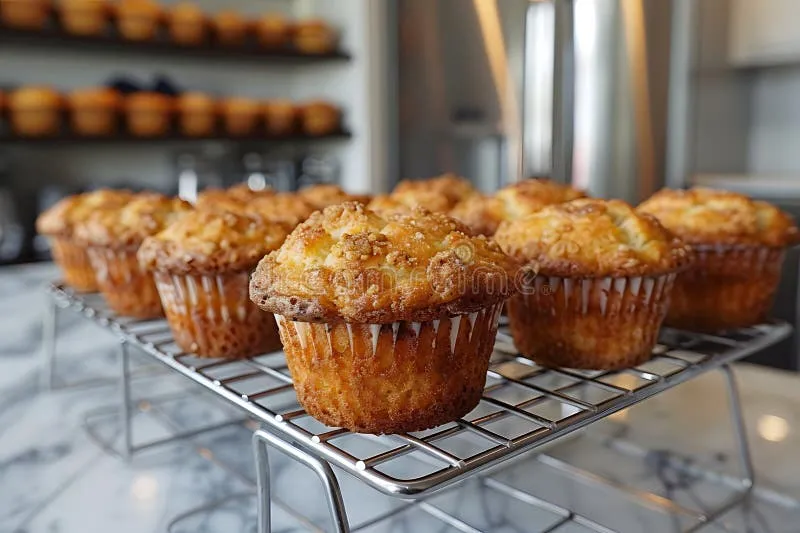
Photo: golden domed muffins fresh from oven on cooling rack close up, via thumbs.dreamstime.com
There's a moment every home baker knows too well. You pull a fresh batch of muffins from the oven, and instead of those gorgeous, bakery-style domes peeking over the tin, you're staring at a dozen sad, sunken little pucks. What went wrong? The ingredients looked right. You followed the recipe. And yet — flat city.
Here at Muffin Headland, muffins aren't just a baked good. They're practically a philosophy. So we dug into the actual science behind what makes a muffin top rise up proud versus collapse into disappointment. Spoiler: it's a combination of chemistry, timing, and a few tricks the pros don't always advertise.
It All Starts With Leavening
Leavening agents — baking powder, baking soda, or a combination of both — are the engine behind the rise. But here's where a lot of home bakers go wrong: they assume more leavening equals more lift. That's not quite how it works.
Baking powder is a two-stage leavener. The first reaction happens when it gets wet, producing carbon dioxide bubbles that start to expand the batter. The second reaction kicks in when heat is applied. This double-action is what gives muffins that sustained push upward during baking.
Baking soda, on the other hand, needs an acidic ingredient — buttermilk, yogurt, brown sugar, or even cocoa powder — to activate. When those two meet, the reaction is fast and immediate. If your batter sits too long on the counter before hitting the oven, you've already burned through a good chunk of that leavening power. That's why most muffin recipes tell you to mix and bake without delay.
Fresh leavening matters too. Baking powder older than six months is often the quiet culprit behind flat muffins. Drop a teaspoon into hot water — if it bubbles vigorously, you're good. If it just sits there looking sad, toss it and grab a new can.
The Mixing Method: Less Is More (Really)
Muffins use what bakers call the "muffin method" — dry ingredients in one bowl, wet in another, combined at the last minute with as few strokes as possible. This isn't just tradition. It's structural engineering.
When flour gets mixed with liquid, gluten starts forming. Gluten gives bread its chewy structure, but in muffins, too much gluten development is the enemy. Overmixed batter becomes dense and elastic, trapping gas bubbles unevenly and often causing the center to collapse as it bakes. Those telltale tunnels running through your muffin crumb? Classic overmix.
The goal is a lumpy, barely-combined batter. Streaks of flour are okay. Visible lumps are a good sign. Stir until just incorporated — usually no more than 12 to 15 folds — and then stop. Trust the oven to do the rest.
Oven Temperature: The Dome's Best Friend
This is the big one, and it's the trick most home bakers never hear about. Bakeries often start muffins at a higher temperature — somewhere around 400°F to 425°F — for the first 5 to 7 minutes before dropping the heat down to finish baking.
Why? That initial blast of high heat causes the outer edges of the muffin to set quickly while the center is still liquid and expanding. The batter essentially has nowhere to go but up. The dome forms because the sides are already firm, forcing the rise upward through the top.
If you bake at a steady 350°F the whole time, everything heats more evenly and the rise is more gradual — which usually means a flatter top. Bumping that starting temp can make a noticeable difference without changing a single ingredient.
Also worth checking: oven accuracy. Home ovens can run 25 to 50 degrees off from what the dial says. An inexpensive oven thermometer is one of the best investments a home baker can make.
Filling the Cups: Height Matters
Another underrated variable is how full you fill your muffin cups. Standard advice says two-thirds full, but for a dramatic dome, going closer to three-quarters — or even right to the rim — gives the batter more mass to push upward. Less room to spread sideways means more energy directed toward the top.
Paper liners versus greased metal also plays a role. Muffin batter grips the sides of a greased cup and climbs differently than it does in a slick paper liner. Neither is wrong, but if you're chasing height, a well-greased tin without liners often gives a slightly better dome.
Common Muffin Fails and What's Actually Causing Them
Flat tops: Usually a temperature issue or expired leavening. Try bumping your starting oven temp and testing your baking powder.
Sunken centers: Often from underbaking or opening the oven door too early. The structure hasn't set yet, and the rush of cool air deflates everything. Resist the urge to peek until at least the minimum bake time has passed.
Dense, rubbery crumb: Overmixing. Be gentler with that batter.
Muffins sticking to the tin: Not enough grease, or you tried to remove them too soon. Let them cool in the pan for at least 5 minutes before attempting to pop them out.
Wet, gummy bottoms: Too much moisture in add-ins like fresh fruit. Toss berries or chunks in a little flour before folding them in — it helps them stay suspended and reduces excess liquid pooling at the bottom.
The Headland Takeaway
Perfect muffin tops aren't magic or luck — they're the result of understanding a handful of simple principles and applying them consistently. Fresh leavening, restrained mixing, and a hot oven start are the three pillars every great muffin dome is built on.
Once you understand why these rules exist, you can start bending them intentionally. Want a craggy, rustic top? Use a slightly wetter batter. Prefer a smooth, bakery-clean dome? Keep that batter thick and cold before it goes in.
Baking is science, sure. But at Muffin Headland, we like to think it's also a conversation between you and your oven. Learn the language, and you'll be pulling gorgeous, golden-crowned muffins out of your kitchen every single time.