Beyond the Tin: How Home Bakers Are Reinventing the Muffin One Pan at a Time
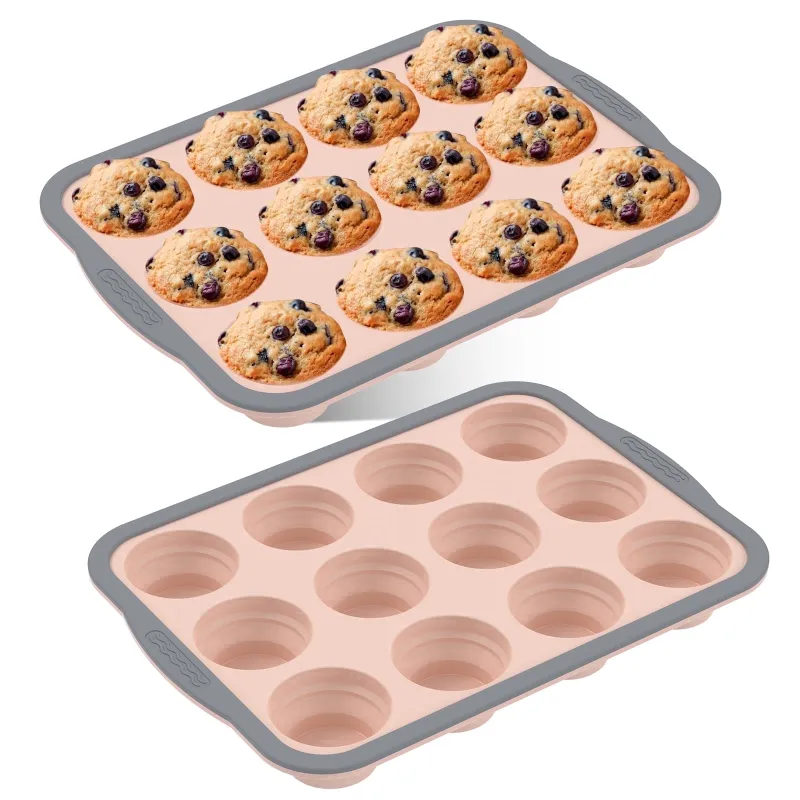
Photo: assorted baking pans muffin tins cast iron silicone molds kitchen counter, via i5.walmartimages.com
For most of us, the muffin tin is just... there. It lives in the back of the cabinet, gets pulled out on Sunday mornings, and does its job without much fanfare. Twelve neat little cups, a little cooking spray, done. Nobody questions it.
But a growing community of home bakers across the country is starting to ask: what if there's a better way?
From cast iron skillets to silicone molds to humble ceramic ramekins, bakers are experimenting with all kinds of alternative vessels — and discovering that the pan you bake in has a surprisingly big impact on the muffin you end up with. We're talking texture, browning, moisture retention, and even the shape of that coveted domed top.
So what's behind this quiet little rebellion? And more importantly, what does it mean for your next batch of blueberry muffins?
Why the Standard Tin Falls Short
Let's be real — the traditional nonstick muffin tin is perfectly fine. It's affordable, widely available, and it gets the job done. But "fine" isn't exactly inspiring.
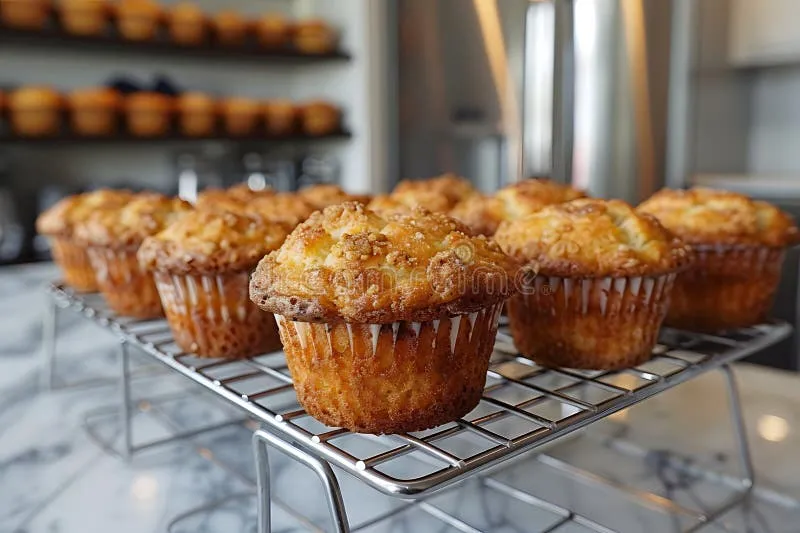
The biggest complaint among home bakers is uneven browning. Standard nonstick pans, especially lighter-colored ones, don't conduct heat as aggressively as other materials. That can leave you with a pale, soft exterior when what you really want is a slightly crisp edge and a deeply golden bottom.
There's also the issue of size. Most standard tins produce a muffin that's modest at best — great for portion control, maybe, but not exactly the kind of dramatic, bakery-style result that gets people excited. And if you've ever tried to get a clean release from an older nonstick pan that's seen better days, you know the frustration of leaving half your muffin stuck to the cup.
These are the pain points that are pushing bakers to explore their options.
Cast Iron: The Heavy Hitter
If you already own a cast iron skillet, you know it's basically a kitchen superhero. Turns out, cast iron muffin pans — yes, they exist — bring that same energy to baking.
Cast iron retains heat exceptionally well and distributes it evenly, which translates to a more consistent bake from edge to center. The result? A muffin with a genuinely crispy, almost caramelized exterior and a tender, moist interior. The contrast is remarkable.
The tradeoff is weight and maintenance. Cast iron pans are heavy, require seasoning, and take longer to heat up. You'll want to preheat the pan in the oven before adding your batter — a trick that gives you an immediate burst of bottom heat and helps your muffins rise fast and tall.
Bakers who've made the switch often describe the results as closer to a bakery muffin than anything they've achieved with a standard tin. If you're after that golden, slightly crunchy base, cast iron is hard to beat.
Silicone Molds: Flexible, Colorful, and Controversial
Silicone bakeware has been around for a while now, and it still divides the baking community pretty sharply. Some people swear by it. Others think it's a gimmick.
Here's the honest breakdown: silicone molds are genuinely excellent for easy release. You'll never lose a muffin to a stuck cup again. They're also flexible enough to pop muffins out without any tools, which is satisfying in a weirdly tactile way.
The downside is browning — or the lack of it. Silicone doesn't conduct heat the way metal does, so your muffins will have a softer, paler exterior. For some recipes, that's totally fine. A delicate lemon poppy seed muffin or a tender banana bread muffin doesn't necessarily need a crispy shell. But if you're going for a bold, dark chocolate muffin with a crackly top, silicone might leave you wanting.
One workaround bakers have found: place your silicone mold on a metal baking sheet to improve heat transfer from below. It's a small adjustment that makes a noticeable difference.
Ramekins and Mason Jar Lids: The Unexpected Options
Here's where things get genuinely creative. A growing number of home bakers — especially those who don't own a muffin tin at all — are turning to ceramic ramekins and even wide-mouth mason jar lids to bake individual muffins.
Ramekins, those small ceramic cups usually reserved for crème brûlée, are actually fantastic muffin vessels. They hold heat well, bake evenly, and produce a muffin with a rustic, slightly thicker profile. The ceramic material is gentle on batter, meaning you get a soft, even crumb without over-browning. They also go straight from oven to table, which is a nice touch if you're serving guests.
Mason jar lids are more of a hack than a technique, but they work in a pinch. Line them with parchment, add your batter, and you've got wide, flat muffins with maximum top surface — which, let's be honest, is the best part anyway.
How Pan Choice Affects the Science
All of this experimentation is really a lesson in baking science. The material, color, and shape of your baking vessel all influence how heat moves through your batter — and heat is everything when it comes to muffins.
Darker pans absorb more radiant heat from the oven walls, leading to faster, more aggressive browning. Lighter pans reflect heat, giving you a gentler, slower bake. Thick materials like cast iron and ceramic hold heat longer and release it steadily, while thin metal pans respond quickly to temperature changes.
The shape of the cup matters too. A wider, shallower cup spreads batter out and produces more surface area — great for a crispy top. A deeper, narrower cup forces batter to rise upward, encouraging that classic domed shape.
Understanding these variables puts you in control. Once you know what each material does, you can choose your vessel based on the specific result you're going for — not just whatever's in the cabinet.
A Quick Guide to Choosing Your Vessel
Not sure where to start? Here's a simple cheat sheet:
- Standard nonstick tin — Reliable, consistent, good for everyday baking. Best for classic recipes where you want predictable results.
- Dark metal tin — Faster browning, crispier edges. Great for chocolate or spiced muffins where a deeper color adds flavor.
- Cast iron muffin pan — Best-in-class browning and heat retention. Ideal for bakers who want bakery-quality results and don't mind a little extra care.
- Silicone mold — Easy release, soft exterior. Best for delicate flavors or recipes where texture is more important than crust.
- Ceramic ramekins — Gentle, even heat. Perfect for custard-style or extra-moist muffins, and great for entertaining.
- Mason jar lids — A fun hack for wide, flat muffins with extra top surface. Works best with thicker batters.
The Takeaway
The muffin tin isn't going anywhere — and honestly, it doesn't need to. But the bakers who are branching out are discovering something worth knowing: the vessel is part of the recipe. It shapes flavor, texture, and appearance just as much as your ingredients do.
At Muffin Headland, we're all about finding joy in the bake, and sometimes that means questioning the tools you've always taken for granted. So next time you're mixing up a batch, take a look around your kitchen. That cast iron pan, those ramekins, even that silicone mold you impulse-bought two years ago — they might be exactly what your muffin recipe has been missing.
Happy experimenting. And as always, baked with love.