Don't Toss That Tin: How to Save (and Celebrate) Your Imperfect Muffins
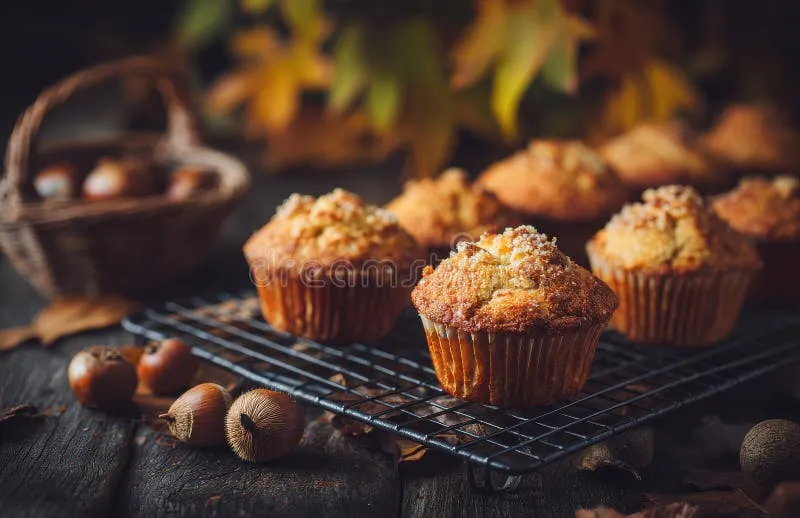
Photo: imperfect homemade muffins on cooling rack rustic kitchen, via thumbs.dreamstime.com
There's a specific kind of heartbreak that only home bakers understand. You pull a tray of muffins from the oven, let them cool, take one hopeful bite — and something's just off. Maybe the center is weirdly dense. Maybe the tops caved in like tiny sinkholes. Maybe you got distracted by a podcast and accidentally doubled the salt.
So you do what a lot of us do: you throw them away.
Here at Muffin Headland, we've made it our mission to celebrate the muffin in all its forms — the glorious domed ones, sure, but also the humble, slightly lopsided, didn't-quite-nail-it ones. Because the truth is, most "failed" muffins aren't failures at all. They're just waiting for a second act.
Let's dig into why bakes go sideways, how to diagnose the damage, and — most importantly — how to turn those rejects into something genuinely worth eating.
Why We Throw Away Perfectly Edible Food
Baking perfectionism is real, and it's sneaky. We scroll through gorgeous food photography, watch baking competition shows where contestants weep over imperfect crumbs, and somewhere along the way we internalize this idea that a muffin has to look a certain way to be worth eating.
But here's the thing: flavor doesn't live in a domed top. A muffin that sank in the middle still tastes like blueberries and brown sugar. A batch that overbaked on the edges is still a vehicle for good butter. The aesthetics failed — the eating experience often didn't.
That said, there are situations where something went genuinely wrong with texture or taste, and those are worth understanding so you can fix them next time. Let's break down the most common culprits.
The Usual Suspects: What Went Wrong and Why
Sunken Centers This is probably the most common muffin complaint. You open the oven door too early, the batter hasn't set yet, and the whole structure deflates. Or you over-creamed the butter and sugar, incorporating so much air that the muffin rises fast and then collapses under its own ambition. Either way, the result looks sad — but usually tastes fine.
Dense, Gummy Middles Often a sign of underbaking or too much liquid in the batter. Overmixing is another culprit here; when you work the gluten too hard, muffins turn chewy and tight instead of tender. If the inside looks almost wet, it needed more time in the oven. If it just feels heavy, you probably stirred too enthusiastically.
Crumbly, Dry Texture Too much flour (especially if you scoop directly from the bag instead of spooning into the measuring cup), not enough fat, or overbaking. These muffins fall apart when you look at them wrong. They're not great for eating out of hand, but — as we'll get to in a minute — they have serious potential.
Weird or Overpowering Flavor This one's trickier. A mis-measured spice, old baking powder that left a metallic taste, or accidentally grabbing the salt instead of the sugar — these are real problems that affect whether the muffin is actually pleasant to eat. Trust your palate here. If it tastes genuinely bad, composting is a valid choice. But if it's just not quite right, keep reading.
Before You Toss: The Rescue Checklist
Ask yourself these three questions before anything hits the trash:
- Does it taste okay? Not amazing, not bakery-perfect — just okay. If yes, it's salvageable.
- Is the issue texture, appearance, or actual flavor? Texture and appearance problems are almost always fixable through repurposing. Flavor issues depend on severity.
- How much do you have? A full dozen of dense, crumbly muffins is a goldmine for the recipes below. Even three or four is enough to work with.
The Second-Act Recipes That'll Make You Glad You Didn't Quit
Muffin Crumble Topping Crumbly or overbaked muffins are basically pre-made streusel. Break them up coarsely, toss with a little melted butter and a pinch of cinnamon, and toast them in a 350°F oven for about 10 minutes. Use the result as a topping for yogurt, ice cream, or a fruit crisp. This works especially well with any muffin that had warm spices or citrus zest baked in.
Muffin Bread Pudding This is the crown jewel of muffin rescue. Dense or sunken muffins — the ones with a slightly gummy texture — are actually ideal for bread pudding because they absorb custard beautifully. Cube them up, let them dry out a bit (or toast lightly), then soak in a mixture of eggs, milk or cream, a little sugar, and vanilla. Bake in a buttered dish at 325°F until set. Top with a simple vanilla glaze or a drizzle of maple syrup. Honestly? It's better than the original muffins were ever going to be.
Muffin French Toast Casserole Same principle as bread pudding, slightly different execution. Halve your muffins, layer them cut-side up in a baking dish, pour a French toast custard over the top, let it soak overnight in the fridge, and bake in the morning. It's a crowd-pleasing brunch dish that takes about five minutes of active effort. Bonus: if your muffins were blueberry or cinnamon, the flavor gets even better baked a second time.
Muffin Ice Cream Sandwiches For muffins that are structurally intact but just not exciting enough on their own — slice them in half horizontally and sandwich a scoop of softened ice cream between the layers. Wrap in plastic wrap and freeze for a couple hours. The muffin acts like a slightly cakey cookie, and the whole thing is genuinely fun to eat. Banana muffin with peanut butter ice cream. Chocolate chip with vanilla bean. Lemon poppy seed with strawberry sorbet. The combinations are endless.
Savory Muffin Stuffing If you accidentally made your muffins too bland, or if you baked a cornbread-style muffin that came out dry, stuffing is calling your name. Cube them, dry them out overnight, then use them anywhere you'd use bread in a stuffing recipe. Add sautéed onion and celery, chicken broth, fresh herbs, and bake until golden. This works year-round, not just at Thanksgiving — it's a great side dish for roast chicken any night of the week.
A Note on Letting Go of Perfect
Baking is chemistry, but it's also intuition, and intuition takes time to develop. Every batch that doesn't go quite right is teaching you something — about your oven's hot spots, about how your altitude affects rise, about what happens when you substitute Greek yogurt for sour cream (sometimes great, sometimes not).
The bakers who get really good aren't the ones who never mess up. They're the ones who stay curious about why something went sideways, and who refuse to let a slightly sunken muffin ruin their afternoon.
At Muffin Headland, we believe every bake has something to offer — even the ones that didn't turn out the way you planned. Keep the good parts, learn from the rest, and for the love of all things buttery and warm, please stop throwing away your bread pudding ingredients.
Your next great dessert might already be sitting on your cooling rack.