Frosted Feelings: The Great Muffin vs. Cupcake Showdown Nobody Asked For (But Everyone Needs)
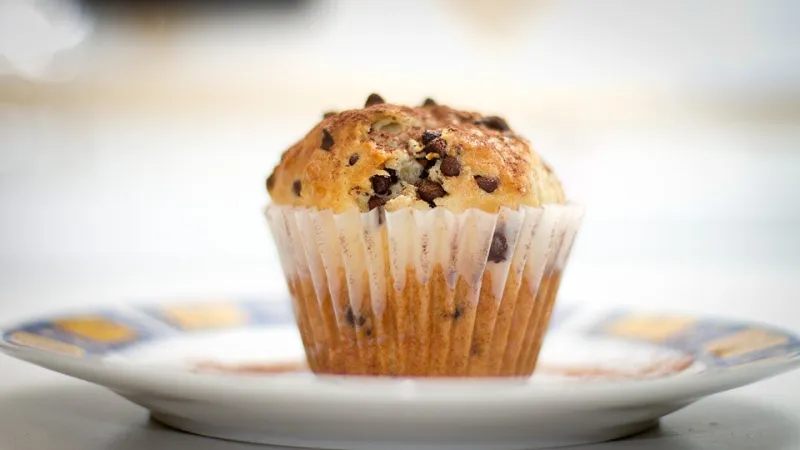
Photo: N i c o l a from Fiumicino (Rome), Italy, CC BY 2.0, via Wikimedia Commons
Let's set the scene. You're at a bakery counter — maybe it's a Saturday morning, maybe you've already had too much coffee — and right there in the glass case, sitting side by side, are two things that look almost identical. One has a swirl of buttercream on top. The other has a rustic, domed crown studded with blueberries. You know one is a muffin and one is a cupcake, but if someone asked you why, could you actually explain it?
Don't worry. Most people can't. And honestly? The baking world has been quietly arguing about this for decades.
Here at Muffin Headland, we live and breathe muffins — so this particular identity crisis hits close to home. Let's settle (or at least thoroughly complicate) the great muffin vs. cupcake debate once and for all.
It Starts With Sugar — A Lot More of It
The most honest place to start is the recipe itself, because the differences between a muffin and a cupcake begin long before anyone reaches for the piping bag.
Cupcakes are, at their core, miniature cakes. That means they're built on the same foundation: creamed butter and sugar, eggs beaten for structure, and a relatively high ratio of sweetener to flour. The result is a fine, tender, almost cloud-like crumb — soft in a way that practically melts when you take a bite. The whole point is sweetness and delicacy.
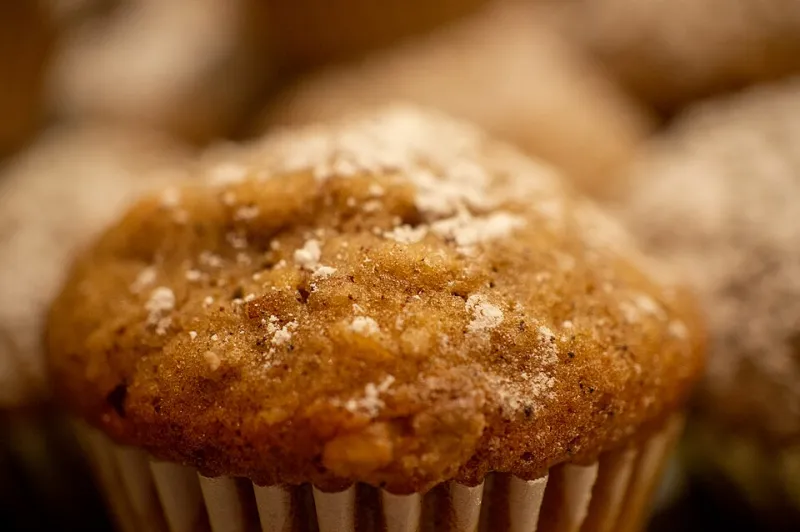
Muffins, on the other hand, follow what bakers call the "muffin method" — dry ingredients in one bowl, wet in another, combined with minimal mixing and a deliberate hand. Less sugar, more restraint. The crumb is heartier, sometimes a little chewy at the edges, with a domed top that earns its rise through leavening rather than whipped-in air. Muffins can absolutely be sweet, but they wear that sweetness differently — more like a complement to the blueberries or the brown sugar streusel than the main event.
In short: a cupcake is dessert. A muffin can be breakfast. That's a meaningful distinction, even if both end up on the same brunch spread.
The Frosting Problem (And Why It's Not Really About the Frosting)
Here's where things get philosophically wobbly. The easiest shorthand for telling these two apart is "cupcakes have frosting, muffins don't." And sure, that works — until it doesn't.
Because somewhere along the way, American bakeries started doing things. Glazed muffins. Cream cheese-topped muffins. Muffins with a sugary crumble so thick and sweet it might as well be frosting. And on the flip side, there are "naked" cupcakes — no frosting, just a tender little cake sitting there looking suspiciously muffin-adjacent.
So frosting isn't really the line. It's more like a signifier, a cultural shorthand that says this thing was designed to be dessert and dressed accordingly. When a muffin gets a glaze, we're not confused because the glaze is light, almost incidental — a finishing touch rather than a structural statement. When a cupcake gets its swirl of frosting, it's completing itself. The frosting isn't decoration; it's identity.
Take away the frosting from a cupcake and you have an underdressed cake. Take away the glaze from a muffin and you still have a perfectly respectable muffin.
The Blurry Middle Ground Modern Bakeries Created
Here's the thing nobody wants to admit: the line between muffins and cupcakes has been blurring for years, and trendy bakeries are largely responsible.
Walk into any Instagram-worthy café in a major US city and you'll find "double chocolate muffins" that are basically unfrosted cupcakes — same crumb, same sweetness level, just presented in a paper liner instead of a cupcake wrapper. And then there are "jumbo muffins" at chain coffee shops that are so large and so sweet they've crossed some invisible threshold into cake territory.
This isn't necessarily a bad thing. Baking has always evolved, and recipes don't owe anyone rigid category loyalty. But it does mean that home bakers trying to learn the craft sometimes pick up a muffin recipe and wonder why it tastes like dessert — or follow a "healthy muffin" recipe and end up with something so lean and dense it barely qualifies as a baked good.
The category confusion has real consequences in the kitchen.
What This Means When You're Actually Baking
If you're making muffins at home — real muffins, the kind with a proud dome and a satisfying crumb — there are a few things worth keeping in mind.
Watch your sugar ratio. A traditional muffin recipe uses somewhere between a quarter cup and three-quarters cup of sugar for a standard batch of twelve. Once you start pushing past that, you're inching toward cupcake territory, and your mixing method and expectations should adjust accordingly.
Don't overmix. This is the cardinal rule of the muffin method, and it's what separates a proper muffin from a dense little cake. Stir until just combined — lumps are fine, actually encouraged. Overworked gluten creates a tight, tough crumb that no amount of blueberries can save.
Lean into the dome. Cupcakes are often baked in fuller liners and rise more evenly because the batter is designed to hold its structure from all that creamed butter. Muffin batter heaped high in the tin, baked at a slightly higher initial temperature, is what gives you that beautiful crown. It's not an accident — it's architecture.
Embrace the add-ins. Muffins are defined as much by what's in them as by their structure. Fruit, nuts, chocolate chips, shredded zucchini, sharp cheddar and jalapeño — muffins can go savory or sweet without losing their identity. Cupcakes are almost always sweet by nature. That versatility is one of the things that makes muffins genuinely special.
The Verdict (Sort Of)
Here's the honest truth: muffins and cupcakes exist on a spectrum, and there will always be baked goods that live in the gray zone between them. That's fine. Food categories are human inventions, and humans are messy.
But the distinction still matters — especially if you're trying to bake with intention. A muffin made with cupcake logic will disappoint you. A cupcake made with muffin indifference will underwhelm everyone at the birthday party.
Knowing the difference isn't about being a snob. It's about understanding why a recipe works, which is the whole point of getting better at baking in the first place.
At Muffin Headland, we're firmly, unapologetically on Team Muffin. But we'll always respect a well-made cupcake — as long as everyone knows what it is.
Now go make something with a dome on it.