Why Your Muffins Go Stale Overnight (And What Bakeries Know That You Don't)
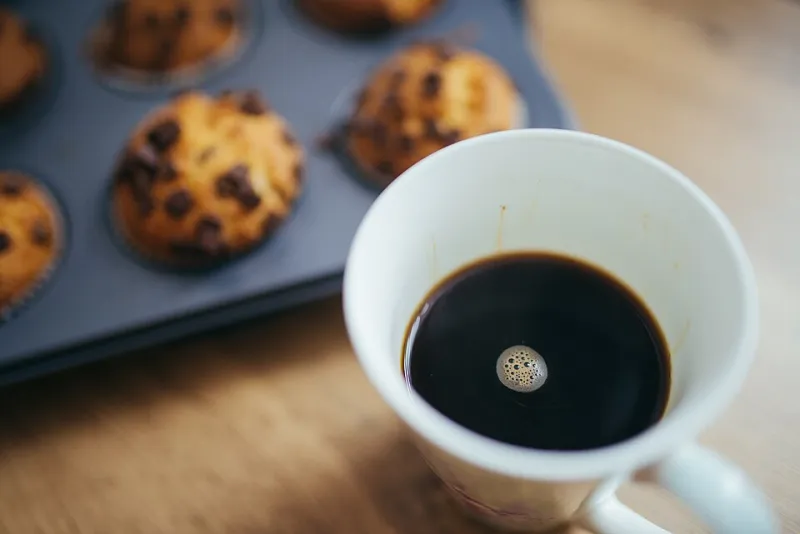
Photo: Shixart1985, CC BY 2.0, via Wikimedia Commons
There's a particular kind of disappointment that hits when you reach for a homemade muffin the morning after baking it. The one that smelled incredible, had that gorgeous domed top, and tasted perfect straight out of the oven. Now it's dense, a little rubbery, and about as enjoyable as a sponge. Meanwhile, the muffins at your local bakery somehow stay pillowy and moist for what feels like an eternity.
Is it magic? A secret ingredient? Some kind of commercial preservative sorcery? Honestly, it's a little bit of all three — but mostly it comes down to science, technique, and a handful of decisions made long before the batter hits the tin.
The Real Reason Muffins Go Stale
Staling isn't just about drying out, even though that's what it feels like. The technical term is retrogradation — a process where starch molecules that were loosened and hydrated during baking start to recrystallize and firm up as the muffin cools. This happens at room temperature and accelerates in the refrigerator, which is actually one of the worst places you can store a muffin if you want it to stay soft.
At the same time, moisture is migrating. It moves from the wetter interior of the crumb toward the drier crust, and then escapes into the surrounding air. The result is a muffin that's simultaneously losing moisture and getting structurally stiffer. Not a great combo.
Bakeries understand this process deeply, and they engineer their recipes and storage methods around it from the start.
Oil vs. Butter: The Fat That Keeps on Giving
This is probably the single biggest difference between a muffin that stays soft and one that doesn't. Most home bakers reach for butter because it tastes incredible — and it does. But butter is about 80% fat and 20% water, and that water contributes to staling. More importantly, butter contains saturated fats that solidify at room temperature. When your muffin cools down, so does the butter inside it, and that contributes to that firmer, drier texture you notice by day two.
Oil, on the other hand, stays liquid at room temperature. Muffins made with neutral oils like vegetable, canola, or even light olive oil retain a noticeably softer crumb over time because the fat never firms up. Many bakeries use oil as their primary fat, or blend it with a small amount of butter to get the best of both worlds — flavor from the butter, longevity from the oil.
If you're committed to an all-butter muffin, consider swapping even half the butter for oil. You'll notice the difference on day two.
Moisture Is Everything — But Where It Comes From Matters
Not all liquid ingredients are created equal when it comes to shelf life. Water hydrates your batter but evaporates quickly. Ingredients with a higher fat content or natural humectants — substances that attract and retain moisture — do a much better job of keeping your crumb tender over time.
Sour cream and full-fat yogurt are two of the most underrated muffin ingredients for exactly this reason. They add richness, a subtle tang, and significant moisture that doesn't flee the moment the muffin hits the cooling rack. Buttermilk does something similar. Brown sugar, honey, and maple syrup are also natural humectants, meaning they actively pull moisture from the air and hold it in your baked goods. Swapping some or all of your white granulated sugar for brown sugar is a low-effort tweak with a real impact on how long your muffins stay fresh.
Many professional bakeries also slightly underbake their muffins — pulling them from the oven when the internal temperature hits around 200–205°F rather than waiting until they're completely set. The residual heat finishes the job, and the slightly moister crumb structure holds up much better over the next few days.
The Cooling Process Is Not Optional
Here's something that gets overlooked constantly: how you cool your muffins matters almost as much as how you bake them.
Leaving muffins in the tin after they come out of the oven traps steam underneath them. That steam has nowhere to go, so it condenses and makes the bottoms and sides soggy — which then leads to faster spoilage. The fix is simple: let them rest in the tin for about five minutes, then transfer them to a wire rack. That airflow underneath the muffin lets excess moisture escape evenly rather than pooling.
But here's the other side of that equation — don't let them cool completely before storing them. Muffins that cool all the way down to room temperature on an open rack lose a significant amount of moisture to the air. Bakeries often wrap or store their muffins while they're still just slightly warm, trapping that last bit of interior steam inside the packaging. At home, you can do the same by placing your cooled-but-not-cold muffins in an airtight container with a paper towel on the bottom. The paper towel absorbs any excess condensation without letting the muffins sit in it.
Storage Secrets That Actually Work
Room temperature beats the refrigerator almost every time. As mentioned earlier, the fridge accelerates starch retrogradation, which is why refrigerated muffins feel stale so quickly even when they're not technically dried out. If you're planning to eat your muffins within two to three days, keep them in an airtight container at room temperature, away from direct sunlight or heat sources.
For longer storage, the freezer is your best friend. Individually wrap each muffin tightly in plastic wrap, then place them in a zip-top freezer bag. They'll keep beautifully for up to three months. To revive them, let them thaw at room temperature still wrapped, or microwave them for about 20–30 seconds. That brief heat rehydrates the starch and makes the muffin taste almost freshly baked.
Some bakeries also use a light glaze or syrup brushed onto the top of the muffin right after baking. It acts as a moisture seal, slowing down the rate at which the crust loses water to the air. A simple mix of equal parts sugar and water, heated until dissolved, brushed on warm muffins does the trick at home without changing the flavor profile much.
The Ingredient Checklist for Longer-Lasting Muffins
If you want to bake muffins that hold up past breakfast on baking day, here's the short version of everything we've covered:
- Use oil (or a blend of oil and butter) instead of butter alone
- Add sour cream, yogurt, or buttermilk for moisture that sticks around
- Swap some white sugar for brown sugar or add a tablespoon of honey
- Slightly underbake — pull them when a toothpick comes out with just a few moist crumbs
- Cool on a wire rack but store before they're completely cold
- Use an airtight container with a paper towel at room temperature
- Freeze extras rather than refrigerating them
None of these changes require special equipment or hard-to-find ingredients. They're just small, intentional decisions that bakeries have built into their process over time — and now you can too.
At Muffin Headland, we believe that great muffins don't have to be a one-day event. With the right techniques, your kitchen can turn out bakes that stay just as good on Thursday as they were on Monday morning. That's not a conspiracy — it's just good science.