Crowning Glory: The Real Secrets Behind That Bakery-Perfect Muffin Top
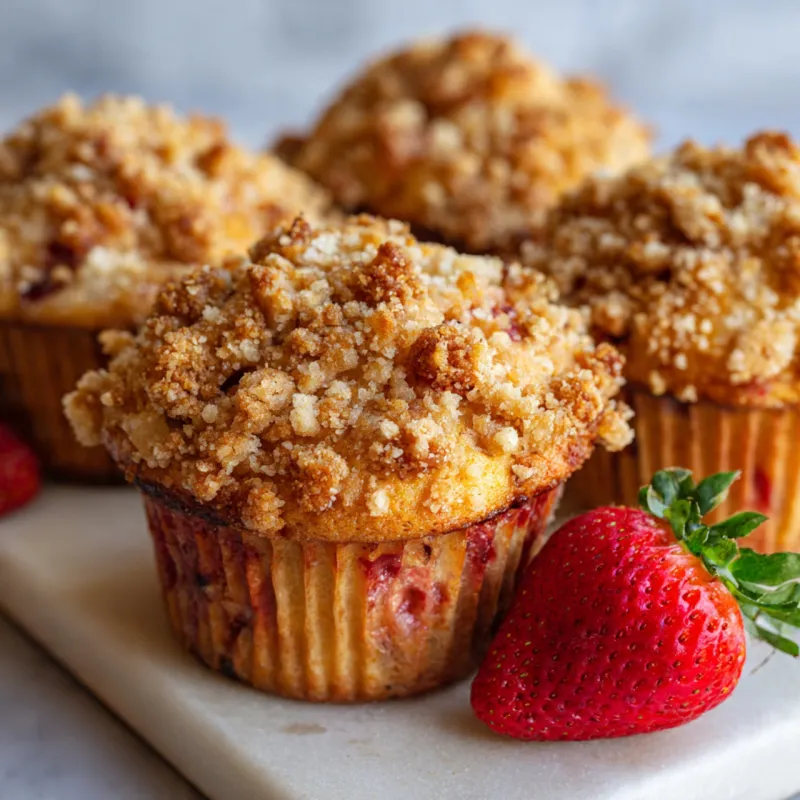
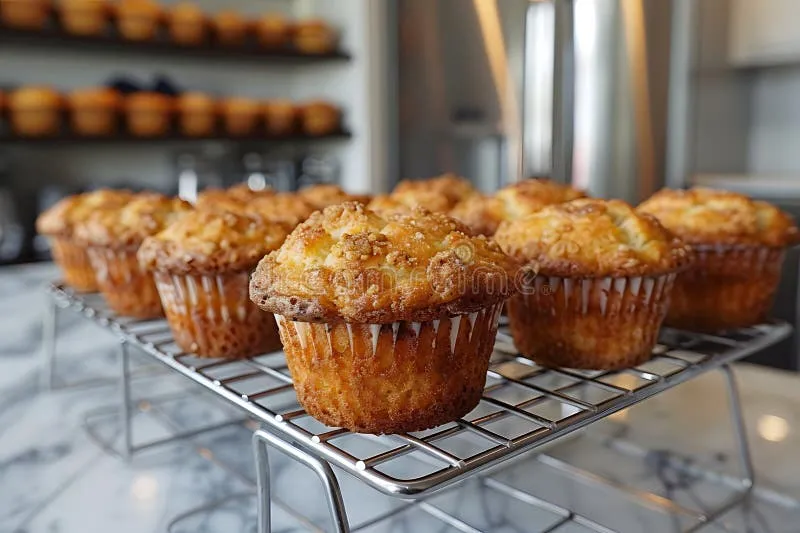
Photo: golden oversized muffin top fresh from oven bakery style, via juicymeatrecipes.com
There's a moment every home baker knows too well. You pull a fresh batch of muffins from the oven, and instead of those glorious, oversized crowns you've seen at your favorite local bakery — the kind that spill dramatically over the rim of the tin like they've got somewhere important to be — you're left with flat, timid little caps that barely clear the edge. Disappointing doesn't quite cover it.
So you do what any reasonable person does: you head to social media. And there it is, a cascade of "game-changing" tips and "professional secrets" promising to fix everything. Start with a screaming-hot oven. Add an extra egg. Use cake flour. Rest your batter overnight. Fill the cups to the brim.
Here's the thing, though. A lot of that advice is either incomplete, misunderstood, or just plain wrong. We've spent time in the weeds on this one — talking to bakers, testing batches, and getting into the actual food science — so you don't have to keep guessing.
Why the "Blast Oven" Tip Is Only Half the Story
One of the most common pieces of advice floating around baking forums and short-form video content is to crank your oven to 425°F or even 450°F at the start of baking, then drop it down after a few minutes. The idea is that the intense initial heat creates a rapid burst of steam and lift, pushing the batter up before the crust has time to set.
And honestly? That part is real. The high-heat burst does encourage upward expansion. But here's what those posts leave out: oven temperature alone won't save a batter that isn't formulated correctly. Commercial bakeries aren't just cranking up the heat — they're working with batters that have a higher ratio of leavening agents, more fat, and often more sugar than your average home recipe. The heat is the trigger, but the batter is the gun.
If you try the high-heat trick with a standard recipe designed for 350°F, you might get a slightly better dome — or you might get a muffin that's set on the outside and gummy in the middle. Context matters.
The Overfilling Obsession (And Why It Backfires)
Another wildly popular tip: fill your muffin cups all the way to the top, or even mound the batter above the rim. The logic sounds reasonable — more batter means more muffin, right?
Not exactly. Overfilling without accounting for batter viscosity and leavening balance often results in batter that spreads sideways across the top of the pan rather than rising upward. You end up with muffins that are fused together at the top and actually flatter in the center. Not the dramatic crown you were going for.
Professional bakeries that produce those towering muffin tops are typically using a thicker, stiffer batter — one with enough body to hold its shape as it rises. That's why you'll often notice that bakery muffin batter looks almost scoopable, like cookie dough, rather than pourable. A looser batter will always spread before it climbs.
What Commercial Bakeries Actually Do Differently
Let's get into the real stuff. Large-scale bakeries and high-volume cafés have a few structural advantages that are worth understanding.
Batter holding and resting. Many commercial operations mix their batter and let it rest — sometimes overnight in a commercial refrigerator. This rest period allows the flour to fully hydrate and the gluten to relax, which paradoxically creates a more tender crumb while also giving the batter more structural integrity during baking. Cold batter also takes longer to heat through, which extends the window during which the interior can rise before the crust sets.
Higher fat content. Bakery muffins are often richer than home recipes because fat — whether that's butter, oil, or even sour cream — contributes to both tenderness and a batter's ability to trap air. More fat means a more luxurious texture and, often, a better-developed crown.
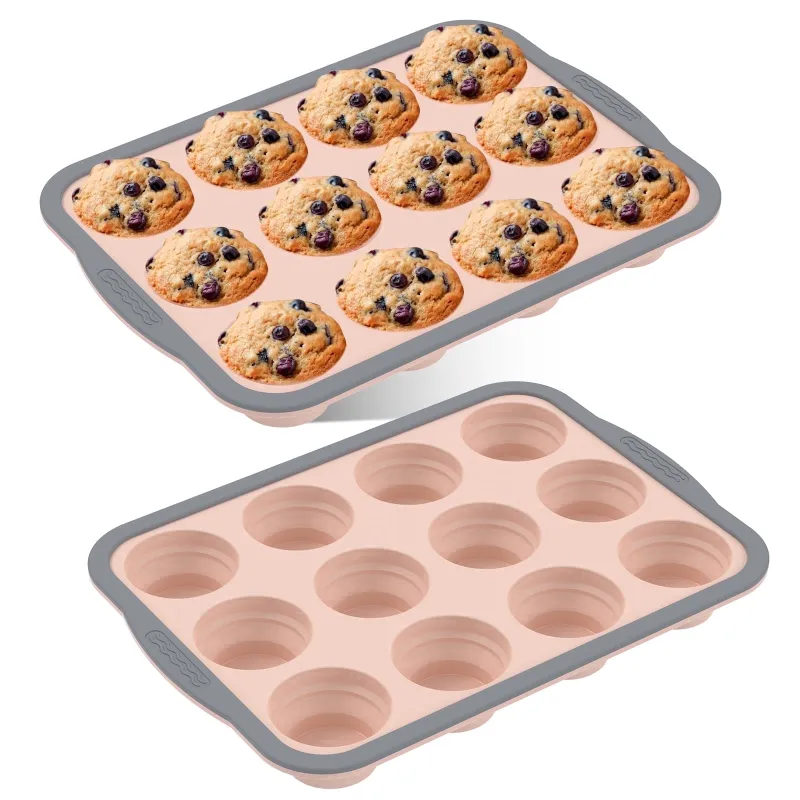
Pan sizing. This one surprises people. Many bakeries use slightly oversized muffin tins — sometimes called "Texas muffin pans" — that have a wider cup opening. This gives the batter room to spread outward at the top as it rises, creating that signature oversized look without the batter simply collapsing over the sides.
Portioning tools. A standard disher or ice cream scoop ensures every cup gets exactly the same amount of batter, which means every muffin bakes at the same rate. Inconsistent portioning is one of the sneakiest reasons home bakers get uneven results.
What You Can Actually Do at Home
Okay, so the good news: you don't need a commercial kitchen to get significantly better results. Here's what genuinely moves the needle.
Thicken your batter. If your go-to recipe feels pourable, try swapping some of the liquid for full-fat sour cream or Greek yogurt. Both add fat and acidity (which reacts with baking soda for extra lift) while thickening the batter considerably.
Try the chill. Mix your batter the night before, cover it tightly, and let it rest in the fridge. Bake it cold the next morning. You'll notice a real difference in how the muffins rise.
Use the high-heat method — correctly. Preheat your oven to 425°F and bake for the first 5 to 6 minutes, then reduce to 350°F for the remainder of the bake time. This works best with a thicker batter that can support the rapid rise.
Fill generously, but smartly. With a thicker batter, filling cups about three-quarters to seven-eighths full is a good sweet spot. You want enough batter to rise above the rim, but not so much that it spreads flat.
Invest in a good pan. A heavy, light-colored muffin tin distributes heat more evenly than thin, dark pans, which can over-brown the bottoms before the tops have a chance to set properly.
The Takeaway
The perfect muffin top isn't the result of one magic trick — it's the sum of several small, intentional decisions about batter composition, temperature management, and technique. The viral hacks aren't entirely without merit, but they're often presented without the full picture, which is why so many home bakers try them and walk away frustrated.
At Muffin Headland, we're big believers that understanding why something works is always more useful than a list of tricks. Once you understand the relationship between batter thickness, heat, and rise, you can troubleshoot on your own — no algorithm required. And that first batch of genuinely bakery-worthy muffins? Absolutely worth the science lesson.