Cast Iron, Ceramic, and Silicone: How Your Baking Vessel Is Secretly Running the Show
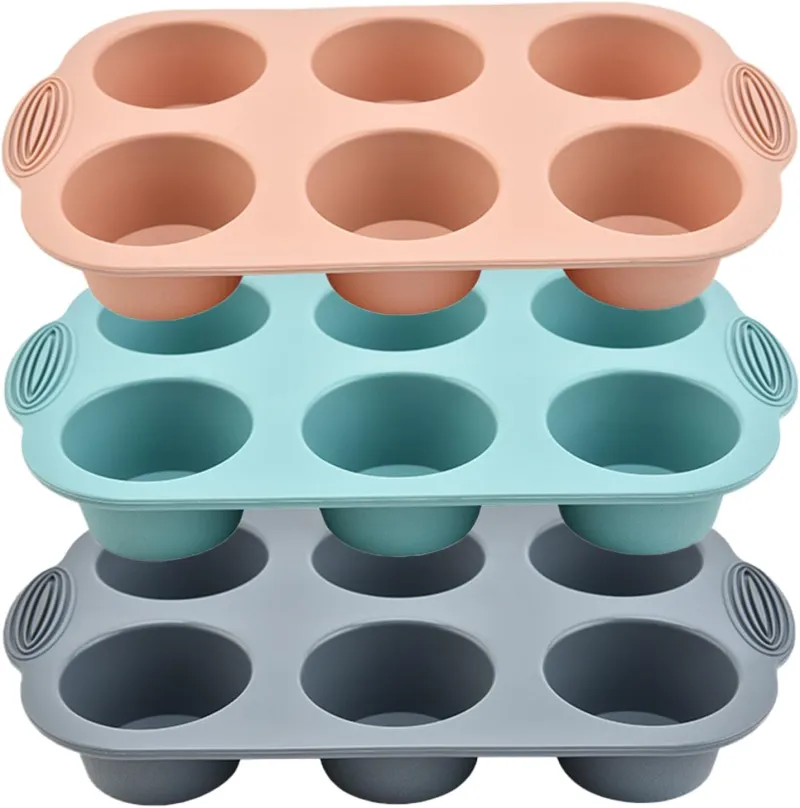
Photo: assorted muffin baking pans cast iron ceramic silicone on kitchen counter, via m.media-amazon.com
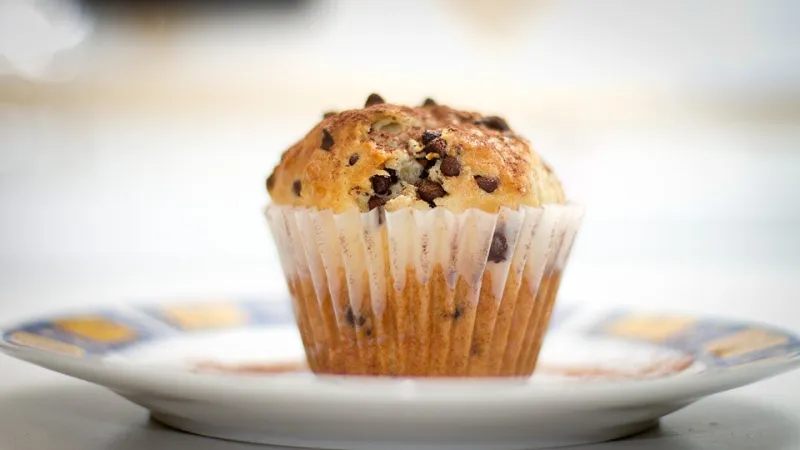
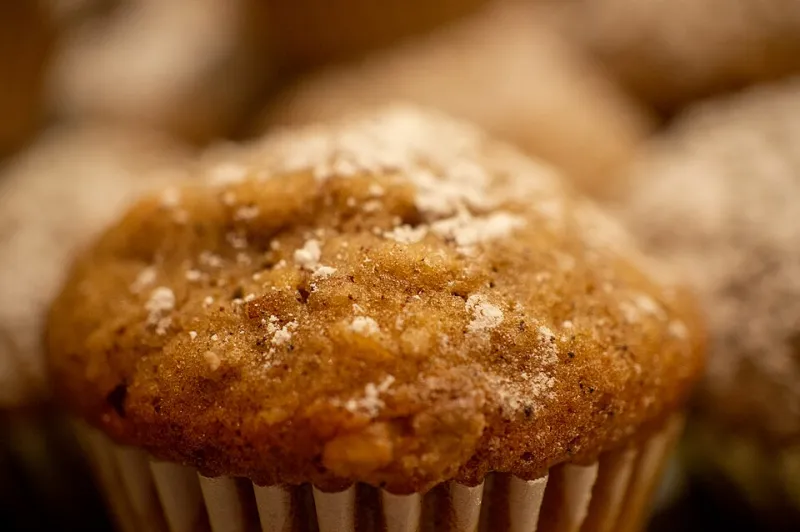
Here's a thought experiment: two bakers, same batter, same oven temperature, same recipe down to the last teaspoon of vanilla. One pulls out a perfectly domed blueberry muffin with a caramelized, crackly top. The other gets something pale, a little soft on the sides, and honestly kind of sad-looking. What went wrong?
Nothing went wrong with the batter. Everything went sideways with the pan.
For years, the standard 12-cup nonstick muffin tin has been the default — the unquestioned workhorse of American home kitchens. But a growing wave of home bakers is pushing back, swapping out that familiar dark metal tray for cast iron, ceramic ramekins, glass pans, and silicone molds. And once you understand the science behind why each material behaves differently in the oven, it's hard to go back to baking on autopilot.
Why Pan Material Actually Matters
Heat transfer is the name of the game. Different materials conduct, retain, and radiate heat in wildly different ways, and muffin batter responds to all of it. The outer crust forms based on how quickly the pan surface heats up. The interior crumb sets based on how evenly heat moves through the batter. And that iconic domed top? That's all about timing — specifically, how fast the edges set relative to the center.
Dark metal pans absorb radiant heat quickly and aggressively, which is why they produce deeper browning and crispier edges. Lighter-colored or reflective pans bounce some of that heat back, resulting in a slower, gentler bake. Materials with high thermal mass — cast iron being the classic example — hold onto heat longer, creating a more sustained, even bake even if the oven fluctuates. Low-conductivity materials like silicone barely conduct heat at all, relying almost entirely on the surrounding hot air to cook the batter.
None of these is inherently better. They're just different tools, and knowing which one to reach for changes everything.
Cast Iron: The Heavy Hitter
Ask any cast iron devotee and they'll tell you it's the best pan for everything. For muffins, they're not entirely wrong — but there are caveats.
Cast iron takes longer to heat up than thin metal pans, which is actually an advantage if you preheat it. Slide a seasoned cast iron muffin pan into a 400°F oven for ten minutes before adding your batter, and what happens is kind of magical: the batter hits a screaming-hot surface and immediately starts to set on the outside. You get a deeply golden, almost crunchy bottom crust and serious lift on the dome.
Jamie Okonkwo, a home baker from Columbus, Ohio, made the switch to cast iron after a cast iron skillet cornbread revelation. "I figured if it worked for cornbread, it had to work for muffins," she says. "The first batch of banana muffins I made in my cast iron pan had this crispy bottom that I didn't even know I wanted. Now I can't go back."
The downside? Cast iron is heavy, requires proper seasoning to prevent sticking, and doesn't love acidic batters (think lemon poppy seed or anything with a lot of fruit) over the long term. It's also not the move if you want a soft, pillowy muffin — cast iron leans hard into texture and crust.
Best for: Cornbread muffins, savory herb muffins, banana muffins, anything where a crispy exterior is a feature, not a bug.
Ceramic: Slow and Steady, Beautiful Results
Ceramic muffin pans and individual ramekins have a devoted following among bakers who prioritize even baking over speed. Ceramic is a poor heat conductor, which means it heats up slowly but distributes that heat very uniformly once it gets going. The result is a muffin that bakes gently from all sides with minimal hot spots.
The trade-off is browning. Ceramic doesn't get hot enough on the surface to create the same Maillard reaction you'd get from metal, so your muffins will have a lighter, more even exterior. For some recipes — a delicate lemon ricotta muffin, say, or a tender almond flour situation — that's exactly what you want. For a hearty morning glory muffin loaded with carrots and walnuts, you might miss that deeper crust.
Marcela Reyes, a weekend baker from San Antonio, uses individual ceramic ramekins for her specialty egg-and-cheese savory muffins. "They come out looking like little soufflés," she says. "The texture is just so consistent. Every single one bakes the same."
Ceramic is also oven-safe at high temperatures, goes beautifully from oven to table, and is easy to clean. Just don't subject it to thermal shock — no cold water on a hot pan.
Best for: Delicate fruit muffins, savory egg cups, anything with a custard-like interior, gluten-free recipes that need gentle, even heat.
Silicone: The Controversial One
Silicone muffin molds are polarizing. Bakers either swear by them or can't stand them, and honestly, both camps have a point.
The case for silicone: nothing sticks. Ever. You can pop muffins out with zero effort, no greasing required, which is a genuine time-saver. Silicone is also flexible, stackable, and nearly indestructible. For anyone baking with kids or in a casual, high-volume situation, the convenience factor is real.
The case against: silicone doesn't conduct heat. At all. Muffins baked in silicone rely entirely on convective heat from the oven air, which means longer bake times, pale exteriors, and a softer — some would say slightly gummy — texture on the outside. You will not get a crust. You will not get meaningful browning. If those things matter to you, silicone is going to frustrate you.
The fix? Set your silicone mold on a preheated metal baking sheet. The sheet conducts heat into the bottom of the silicone, giving you at least some bottom browning and a more stable bake overall.
Best for: Mini muffins for kids, decorative novelty shapes, very moist muffins where soft texture is the goal, high-volume casual baking.
Glass: The Wildcard
Glass baking dishes aren't typically sold as muffin pans, but individual glass ramekins work similarly to ceramic — slow to heat, even distribution, lighter browning. Glass also has one quirk worth knowing: it retains heat longer than metal after it comes out of the oven, meaning your muffins will continue to bake slightly even after you pull them. Factor that in by pulling them a minute or two early.
Best for: Experimental single-serve baking, situations where you want to watch the batter as it bakes (yes, really), recipes where overbrowning is a concern.
So, Which Pan Should You Actually Use?
Honestly? All of them — just for different things. The dark nonstick tin isn't going anywhere, and for good reason: it's fast, reliable, and produces consistent results for most everyday muffin recipes. But keeping a cast iron pan seasoned and ready for cornbread muffins, a set of ceramic ramekins for weekend brunch, and a silicone mold for the kids' birthday mini muffins? That's not overthinking it. That's just good baking.
The real rebellion here isn't about ditching the classic tin. It's about understanding that the pan is part of the recipe — and treating it that way.
Next time you bake, try the same batter in two different vessels. The results will tell you more about heat and texture than any baking textbook. And you'll probably end up with a drawer full of pans that your family thinks is excessive but that you know, deep down, is completely justified.