Hot Air and High Stakes: The Truth About Oven Spring (And Why It Spooks Even Seasoned Bakers)
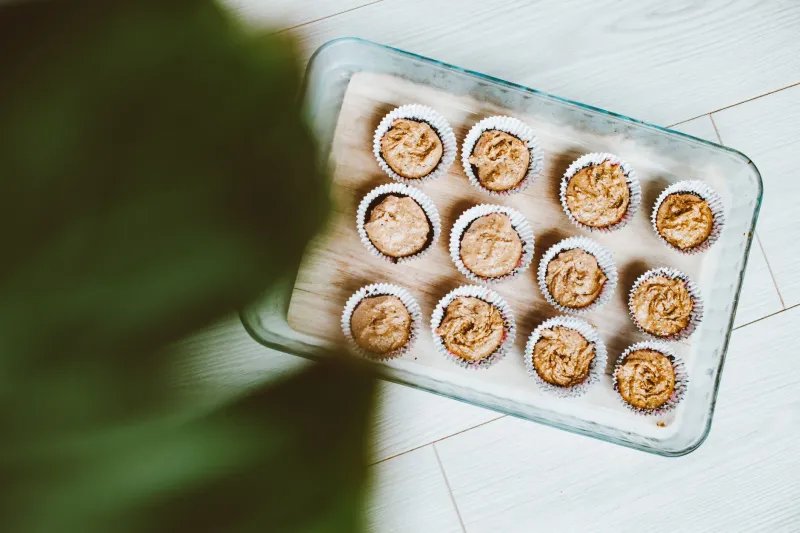
There's a specific kind of dread that only bakers understand. You've mixed your batter carefully, portioned it into the tin, slid it into a preheated oven — and now you wait. Will they rise? Will they dome? Will they collapse into sad, dense pucks that no amount of butter can save? That window between batter and finished muffin is one of the most anxiety-inducing moments in home baking, and it has a name: oven spring.
And here's the thing — it doesn't get less nerve-wracking with experience. Ask any baker who's been at it for years, and they'll tell you the same thing. The oven is still a little bit of a mystery.
What Oven Spring Actually Is
Let's get into the science, because understanding what's happening inside that tin goes a long way toward calming the nerves.
Oven spring refers to the rapid rise a batter or dough undergoes in the early minutes of baking, before the structure sets. When your muffin batter hits the heat, several things happen almost simultaneously. Carbon dioxide gas — produced by your baking powder or baking soda reacting with liquid and acid — expands rapidly as the temperature climbs. At the same time, water in the batter turns to steam and pushes upward. Fats melt, proteins in the flour begin to denature, and starches start to gelatinize.
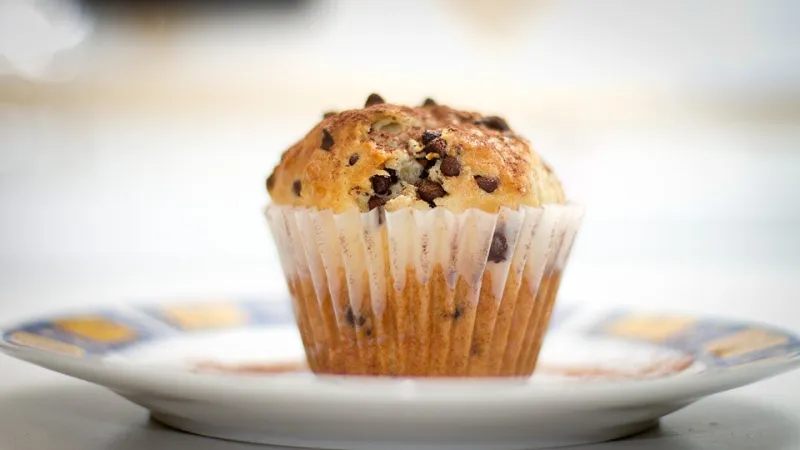
All of this activity happens in a roughly ten-to-fifteen-minute window. After that, the structure solidifies and whatever shape your muffin has taken is more or less locked in. That's why oven spring is such a pivotal moment — it's the batter's one shot at becoming the muffin it was always meant to be.
Why It Goes Wrong (And Why It's Not Always Your Fault)
The most common culprit behind failed oven spring isn't bad technique — it's an inaccurate oven. Most home ovens run anywhere from 25 to 50 degrees off from what the dial says, and that gap can absolutely wreck your rise. An oven that runs cold means the batter takes too long to heat through, giving leavening gases time to escape before the structure can trap them. An oven that runs hot sets the crust too fast, preventing the interior from expanding properly.
An inexpensive oven thermometer — seriously, they're like eight bucks at any kitchen store — is one of the most useful tools you can own. Hang it in the center of your oven, preheat, and check what it actually reads versus what you set. Adjust accordingly. It sounds almost too simple, but this single step fixes a huge percentage of oven spring problems.
Beyond calibration, moisture plays a massive role. Batters that are too dry don't have enough steam to help lift the crumb. Batters that are too wet can struggle to set before the rise collapses. The ratio of liquid to flour matters, but so does the humidity in your kitchen — something that changes with the seasons and is easy to overlook.
Then there's the leavening itself. Old baking powder is a silent killer of good muffins. If yours has been sitting in the pantry since last Thanksgiving, it may not be producing enough gas to give your batter a proper push. Test it by dropping a teaspoon into hot water — if it doesn't bubble enthusiastically, it's time for a fresh can.
Baker Confessions: The Oven Spring Disasters We Don't Talk About
We asked some of our community bakers to share their most memorable oven spring failures, and the responses were both hilarious and deeply relatable.
One baker in Portland, Oregon, described a batch of lemon blueberry muffins that rose beautifully — and then sank so dramatically in the center that she used them as edible bowls for yogurt. "They were actually delicious," she said. "But they were absolutely not muffins."
Another baker from Nashville admitted to opening the oven door at the eight-minute mark to check on his muffins — a move he immediately regretted. The sudden drop in temperature caused a partial collapse, and half the batch came out with sunken tops. "I knew better," he said. "I just couldn't help myself."
And that's a real issue. The urge to peek is almost impossible to resist, but opening the oven door during those critical first minutes lets heat escape and can interrupt the rise mid-process. The general rule: don't open the door until at least two-thirds of the bake time has passed.
Temperature Tricks That Actually Work
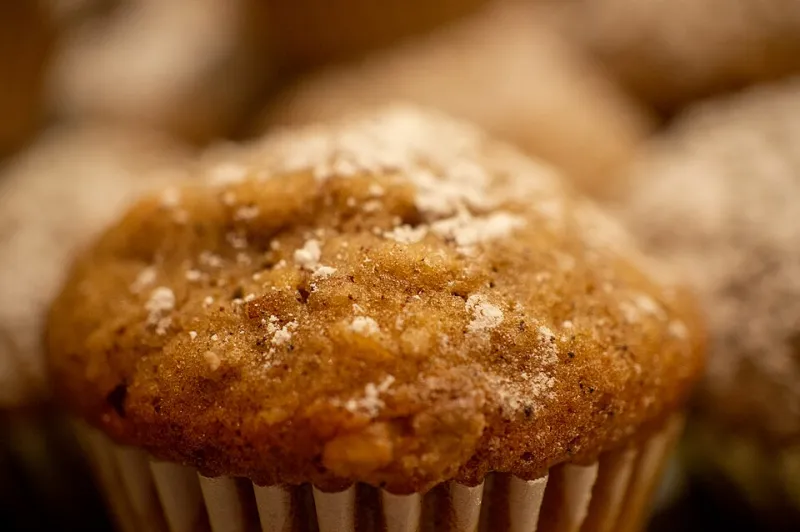
One technique that's gained real traction among home bakers is the high-heat start method. Rather than baking muffins at a steady 350°F throughout, you begin at 400 to 425°F for the first five minutes, then drop the temperature back down to finish. That initial blast of heat accelerates oven spring, helping the batter shoot upward before the crust has time to firm up — which is exactly how bakeries get those dramatic domed tops.
It's worth noting that this method works best with standard-size muffin tins. Jumbo or mini muffins have different thermal dynamics and may need adjusted timing.
Also worth considering: where you place your tin in the oven matters. The center rack provides the most even heat circulation. Too close to the top element and your muffins brown before they've finished rising. Too close to the bottom and you risk dense bases with underdeveloped tops.
Making Peace With the Process
Here at Muffin Headland, we believe that baking should feel joyful, not terrifying. And part of that is accepting that oven spring will always carry a little uncertainty — even for experienced bakers. The variables are real: your oven, your ingredients, the humidity that day, the altitude you're baking at. No recipe can account for all of them.
What you can do is set yourself up for success. Calibrate your oven. Use fresh leavening. Keep your batter properly hydrated. Resist the door. And when a batch doesn't rise the way you hoped, treat it as data rather than failure. Every imperfect muffin teaches you something.
The oven spring scare never fully goes away. But with a little science and a lot of practice, it starts to feel less like a threat and more like the exciting part — that moment when the heat and the batter negotiate the final shape of something delicious.